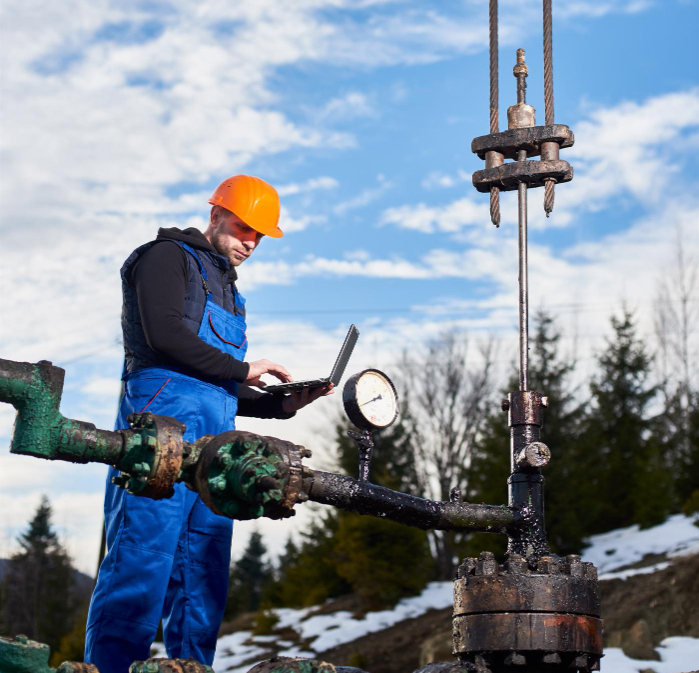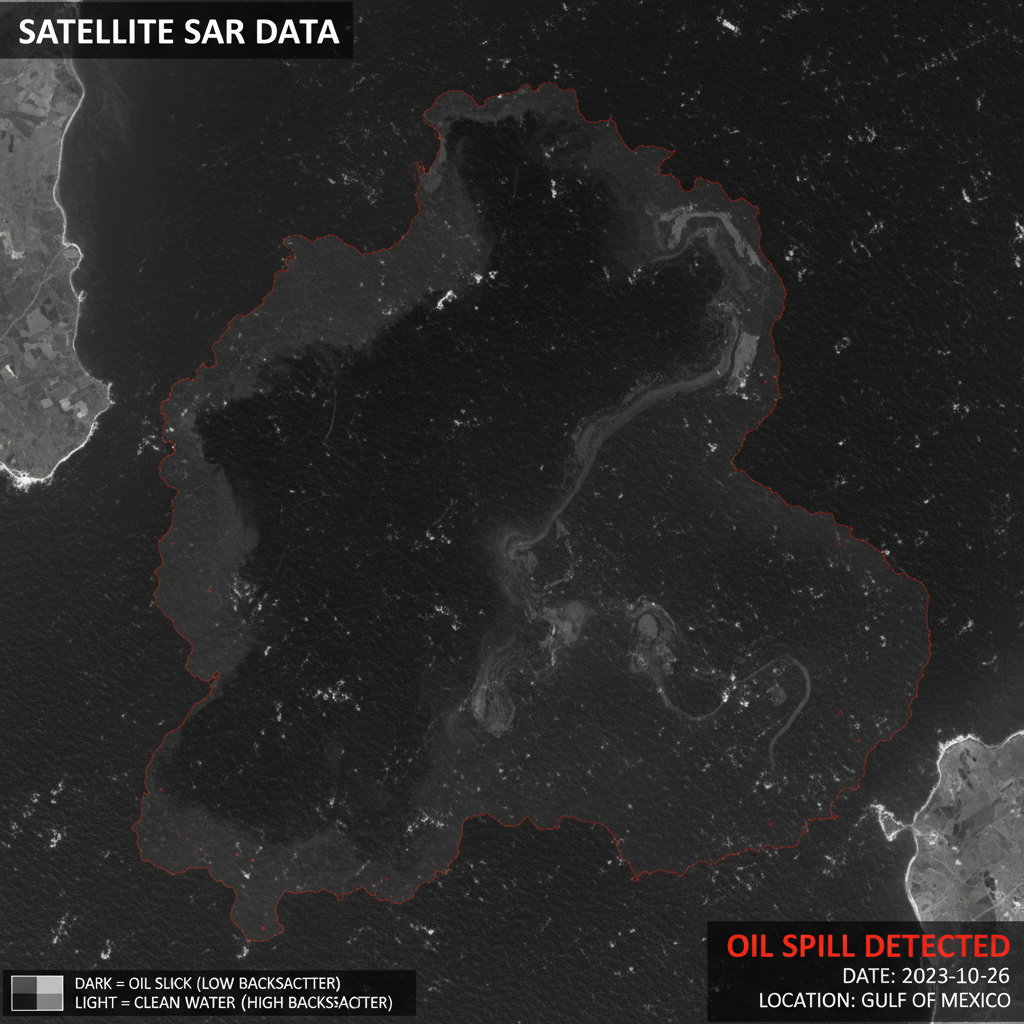
Oil leaks can create operational challenges long before their source becomes obvious. A release from equipment may enter a containment area, mix with collected water, or travel through a drainage route. At Leakwise, we help customers approach Oil leak monitoring through a practical understanding of their facilities. The objective is to establish where detection can provide useful information and how that information will support investigation, maintenance, and protective action.
Identifying the locations that matter for oil leak monitoring
A monitoring strategy should begin with the equipment and activities that could release oil. Teams should consider storage arrangements, transfer points, maintenance practices, and the routes through which liquids move.
Our published applications include monitoring associated with above-ground oil storage, transformer sumps, and oil/water separators. These examples illustrate why the collection point can be as important as the equipment itself when planning detection.
For an individual facility, we recommend mapping potential sources alongside containment and drainage features. This helps determine whether one location can provide meaningful coverage or whether several monitoring points should be considered.
Selecting equipment for actual conditions
Oil leak monitoring requires attention to the conditions at the proposed installation. Water levels, access, available space, and the possibility of a location becoming dry should be discussed before equipment is selected.
Leakwise offers sensor families intended for different sump conditions, including wet locations and applications that may alternate between wet and dry states. Selecting the appropriate model therefore requires a review of the actual installation requirements.
We encourage customers to describe both normal and unusual operating conditions. A location that appears suitable during a site visit may behave differently after rainfall, drainage, or a change in production activity.
Linking on-line oil leak monitoring to the control process
On-line oil leak monitoring should give personnel information they can act on. The project should establish where indications will appear, how operators will recognize them, and which team will take responsibility for the response.
A local indication may be useful to maintenance personnel, while a central notification may support supervision across several areas. The appropriate arrangement depends on staffing, site procedures, and the significance of the monitored location.
Any proposed automatic action should receive its own engineering review. Teams should understand the consequences of stopping equipment, retaining collected water, or changing a process before connecting detection to that action.
Reviewing performance throughout the lifecycle
A monitoring installation should remain part of the facility’s operating discipline after commissioning. Checks, maintenance activities, and staff training should follow the relevant instructions and site requirements.
Teams should review recurring indications together with inspection findings. This can help distinguish an isolated incident from a pattern that deserves a broader maintenance investigation.
Changes to the facility should also trigger a review of coverage. Relocated equipment, modified containment, or a different drainage arrangement may affect how oil reaches an existing monitoring point.
At Leakwise, we work with customers to connect detection needs with practical installation considerations. Contact us to discuss your equipment, containment areas, and Oil leak monitoring objectives. We can help you evaluate the requirements for a solution that supports informed responses and effective coordination between operations and maintenance.