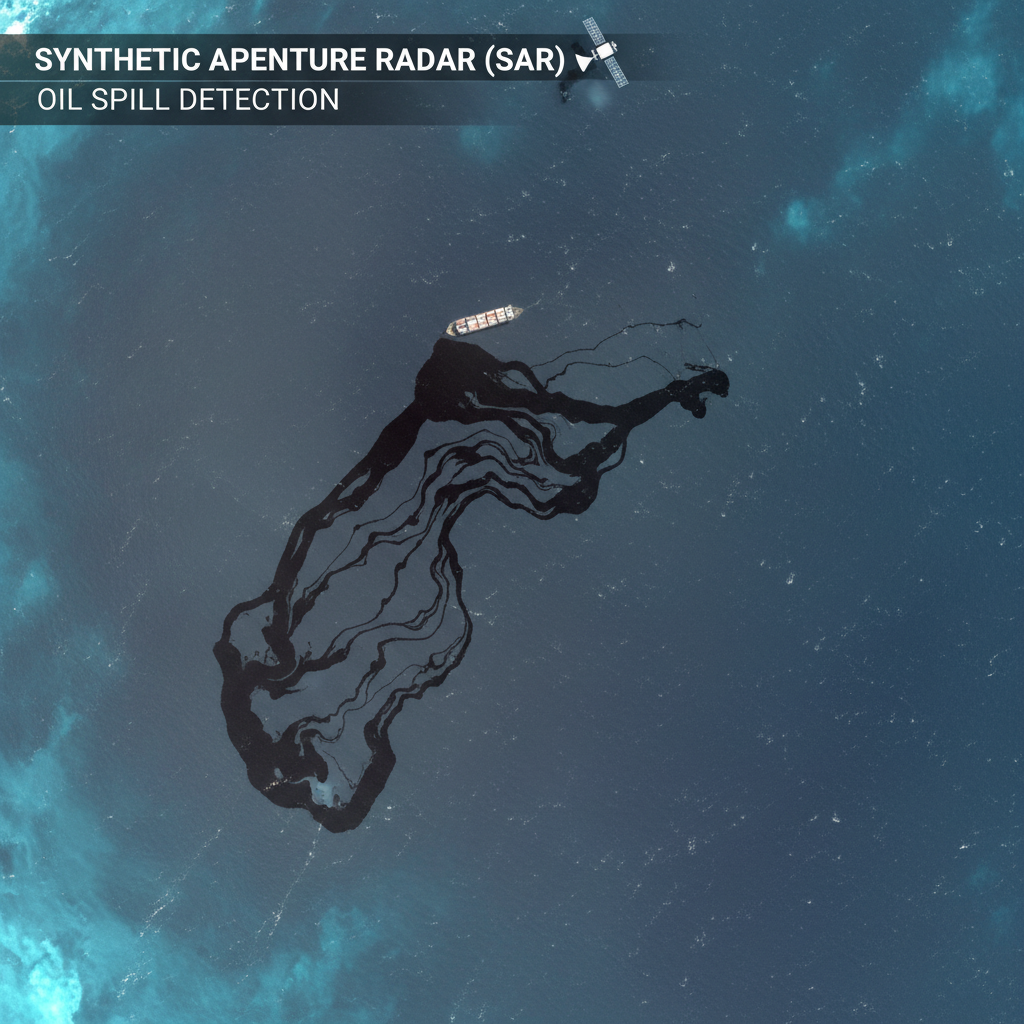
Industrial facilities that store, transfer, or use hydrocarbons need a clear understanding of where contamination could occur and how personnel would discover it. A leak may begin in an isolated location, while water movement can carry the released material toward a collection point. At Leakwise, we approach Hydrocarbons spill monitoring as part of a coordinated protection strategy. Continuous observation at selected locations can give operators information that supports investigation, containment, and decisions about the next operational steps.
Understanding where contamination can travel
A useful monitoring plan starts with the movement of liquids through the facility. Storage areas, equipment containments, drainage channels, and collection basins should be considered together rather than as separate installations.
The location of a potential release is only one part of the picture. Teams should also establish where that material could accumulate and which routes could carry it beyond the immediate equipment area.
Connecting detection with on-line hydrocarbons spill monitoring
Hydrocarbons spill monitoring provides its greatest operational value when personnel understand what each monitored location represents. An indication from a collection basin may require a different investigation from an indication near a particular item of equipment.
Our systems use sensors and controllers to detect hydrocarbons and communicate relevant indications. Leakwise technology evaluates changes in electromagnetic energy absorption associated with hydrocarbons at the monitored liquid surface.
Planning a useful alarm response
On-line hydrocarbons spill monitoring should connect an indication with a defined response. Before commissioning, facility teams should decide who receives an alarm, who investigates, and which actions require authorization.
We recommend distinguishing between immediate protective actions and the follow-up investigation. Personnel may need to inspect nearby equipment, check the drainage route, or confirm whether a transfer operation is underway.
Clear responsibilities make the information easier to use. An alarm that reaches several people without an assigned owner can create uncertainty, particularly during shift changes or outside normal working hours. Response procedures should therefore reflect the way the facility actually operates.
Supporting everyday operating decisions
Hydrocarbons spill monitoring can be incorporated into routine operational reviews. Teams should consider how indications are recorded, how incidents are closed, and whether recurring events suggest a need for maintenance or a change in operating practice.
An event record is more useful when it includes context. The time, location, relevant equipment activity, inspection findings, and actions taken can help personnel understand what happened.
We also recommend reviewing the monitoring plan after significant site changes. New equipment, altered drainage, or different operating schedules may affect the assumptions used when the system was first designed.
Hydrocarbons spill monitoring as part of a complete protection strategy
Monitoring should work alongside containment, maintenance, inspection, and emergency procedures. Each activity addresses a different part of the facility’s protection needs, and coordination helps personnel understand how the measures support one another.
System checks should follow the applicable equipment instructions and site procedures. Teams should also maintain access to monitored locations and review whether the installation remains suitable for its operating conditions.
At Leakwise, we help customers consider detection technology within the wider context of their facilities. Contact us to discuss your site layout, potential release points, and Hydrocarbons spill monitoring requirements. Together, we can identify the information needed to plan a monitoring arrangement that supports clear, timely operational decisions.